

By Paul Dunwell, writing for EasyFrame
© Copyright EasyFrame 2019
The dark art of picture framing
What this article is about
Earlier 'Frame Academy' pieces covered terminology, making a frame, gilding, choosing a type of frame, reusing old frames, choosing colours, hanging heavy artwork, hanging height, stairs and picture rails. 'Frame Academy XI', the penultimate article in the series, asks a question few people could put into words: are there any unspoken rules that make a frame work?
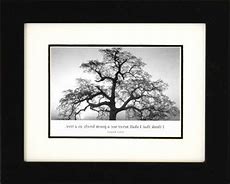
You may have frames that don't look right. They may be functional and protective, but in your heart of hearts you know they don't show off the work as well as they might. Framing is a bit of an art itself. We've set these tips out in a logical order, so that you can look at each framed item and say: "Ah! Now I know what's wrong. And I know how to fix it too!"
Size really does matter
By and large, the cost of a frame is proportional to its size. Don't make a false economy with a frame that is too wimpy or too cramped for the work.
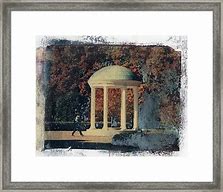
- Work from the image outwards, not from the frame inwards. Think about the size of the image, then the size of the paper or canvas it is on. Leave plenty of space, usually white or at least light, around the image for the frame and any mount.
- Size the mount's window. The aperture should be half an inch smaller in height and width than the work lying under it. The mount's outer dimensions must match the inner dimensions of the frame exactly.
- Match the weight of the frame to the work. Don't choose something so broad, heavy, fussy or imposing that the artwork is diminished. Nor should you frame great work in something too lightweight.
- Frame and glass are the same size. Whichever is cut first dictates the other.
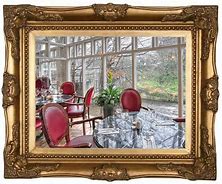
The frame's outer dimensions matter too. They depend on the breadth of the moulding, so ask yourself how broad you want that to be, and whether there is enough space on the wall for a frame built with a broader moulding.

Choosing mounts
There are three types of mount, and it is worth knowing what sets them apart:
- Paper. Acidic, so potentially damaging, because the acid leaches over time. The worst choice.
- Alpha-cellulose. Made from wood pulp, but should be treated to be acid-free. Pretty good.
- Rag. Made from cotton, so acid-free, and used by galleries and museums. The best choice.
Frame and mount colours
Choose colours that work with the artwork, the wall it hangs on and the other things in the room, including furnishings, fittings and fixtures. You might choose a metallic moulding to match nearby light fittings, for example. Remember that dark frames draw the eye to the frame and away from the artwork, though they might suit a gloomier painting. You can go for tints and avoid primary colours, bright white and matt black.
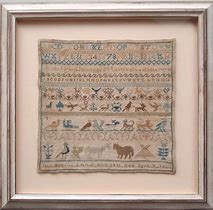
You may use one, two or even three mounts:
- One mount. Use neutral colours or pastels.
- A second, 'accent' mount. It should contrast. Between a pale subject and a pale mount and frame, it might be darker. Between a dark subject and a dark mount and frame, it might be lighter.
- A third mount. Again a contrast. Its only purpose is to throw a distinction into sharp relief.
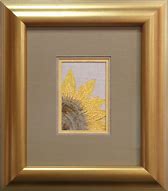
Deciding how many mounts to use, and in which colours, may seem hard. Try swatches or bits of card. Move them into different configurations and try every option, discarding the worst at each stage until you have a shortlist and then a winner. Use more than one pair of eyes, especially if you're colour-blind! A good framer will probably be willing to send you some offcuts and make suggestions.
Conclusion
Hanging artwork in great frames is important. If you are framing something precious, it's always worth going straight to a professional framer like EasyFrame for advice. They can do the whole job or help with the part that has left you racked by self-doubt. They can help you unify your collection, perhaps by reframing the lot, and supply hooks, hangers, mounts and frames, along with plenty of paraphernalia you'd probably not recognise even though they use it every day of the week!
EasyFrame is on 01234 856 501 and sales@EasyFrame.co.uk.