

By Paul Dunwell, writing for EasyFrame
© Copyright EasyFrame 2018
What this article is about
'Frame Academy I' gave a run-down of essential terminology. 'Frame Academy II' was a step-by-step guide to making a picture frame. Now, in 'Frame Academy III', we're going to show you how to gild a frame. (Ambitious, huh?)
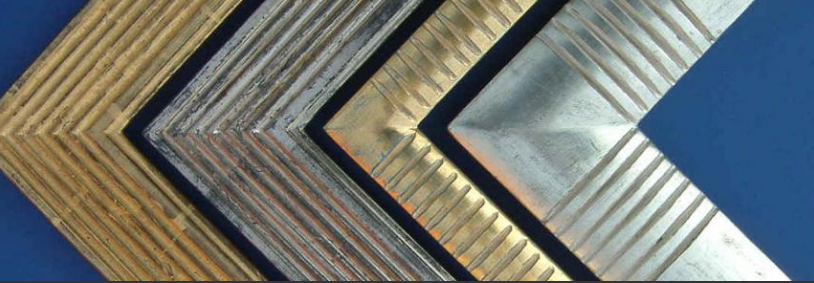
Gilding means applying thin sheets of metal. It can transform a frame and elevate its contents. It's an upmarket technique you might love to learn, whether to match a frame to your décor and furnishings or to add an ostentatious touch to work that is already precious to you. (And yes, there will be more sequels, but you won't have to live forever to read them!)
What gilding involves
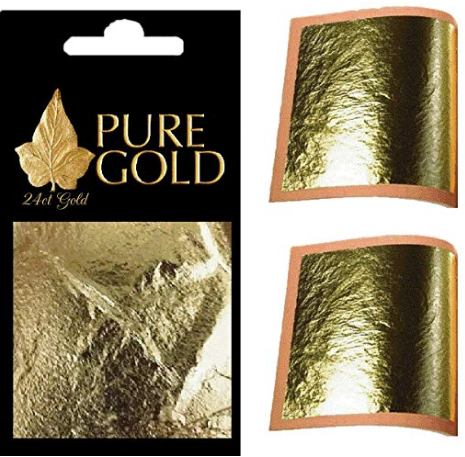
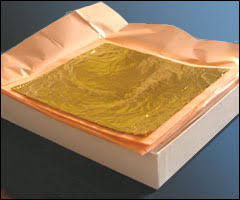
Traditionally gilding was done with real gold, platinum, palladium or silver, hammered thin by hand, which made it a specialist job. Nowadays it's easy to buy imitation leaf, usually loose or in booklets, produced in moments by machine. It looks the part but is far cheaper, because it is mass-manufactured from base metals such as aluminium, zinc, tin or copper.
Gilding is a great makeover for old frames. There's also no reason not to buy new frames and upgrade them with the 'precious metal' look. You might even have a bash at carving them first. You'll only find out if you have a flair for it by trying.
What you will need
- Coarse sandpaper and a sanding block
- A clean cloth
- Gilding size (in a can or as a spray)
- White gloves
- Metal leaf (take your pick, but do the maths before you buy)
- A 'chisel brush'
- A soft, fluffy brush, ideally a 'gilder's mop'
- Acrylic spray sealant
You can also buy solvent to remove excess size, but keep it away from the gilding! For anything that will stay indoors you can use oil-based or water-based size. Otherwise use oil-based, which is more weather-resistant.
The steps
- Sand the frame. Roughen the surfaces with coarse sandpaper, removing any varnish, lacquer or paint. You don't want the surface too smooth. Wipe it with a damp cloth so it's free of dust.
- Apply the glue. Brush on a thin layer of gilding size, a specialist glue. It comes as a spray if you have a big area to cover. Cover everything: where you miss, the leaf has nothing to stick to and can easily tear off. You only get one go at this!
- Apply the leaf. Put on white archive-type gloves to avoid leaving prints. Press the leaf firmly onto the size, shiny side down. Beginners can buy leaf with a wax backing, which is a little easier to apply. Use a tapered chisel brush to press the leaf into hard-to-reach areas.
- Remove the backing. When the leaf is pressed onto the whole surface, peel the wax backing away very slowly, leaving the foil behind. You want no tears or holes. If one starts to appear, lay the backing down again and use the brush.
- Brush away the surplus. Dust off any unused metal with a soft, fluffy brush, ideally a gilder's mop.
- Apply the sealant. Protect the gilding from flaking or tarnishing with a clear acrylic spray. Keep the area free of dust while you spray and while the sealant dries.
Conclusion
Gilding takes time and patience. Work slowly and methodically and you may well manage a decent job at your first attempt. It isn't particularly expensive, you don't need much specialist kit, and it isn't hazardous. You should be able to gild your first frame for well under £100, and later attempts will be cheaper. It will give you a real sense of achievement too.
DIY jobs aren't always cost-effective, and if you bungle them they can become very expensive. Whether you have a go will depend on whether it will be fun and teach you something. DIY usually is fun, and for those prepared to take full responsibility for their own work it can grow into more than a hobby.
The alternative is to go straight to a professional framer like EasyFrame, for the whole job or just the part that has left you jittery. EasyFrame can also supply much of what you need to do the job yourself.
EasyFrame is on 01234 856 501 and sales@easyframe.co.uk.