

You have one or two items that need framing, or reframing, and you're fairly handy around the house. So how hard can it be to make your own frames, and is it worth it? This article gives you the low-down before you start: the equipment, the consumables (the bits and bobs you'll probably use only once), the skills and time required, and the costs and risks.
Why would you do it?
Some of us are old enough to remember when youngsters had the DIY skills to rip their own jeans, and to shrink them in the bath too. In this age of convenience we're used to having everything done for us, and picture framing is no different. Yet some of us like to feather our own nests, and knocking out a few picture frames seems a good place to start. Who wouldn't want to point at an heirloom above the fireplace and casually tell visitors "I framed that myself"?
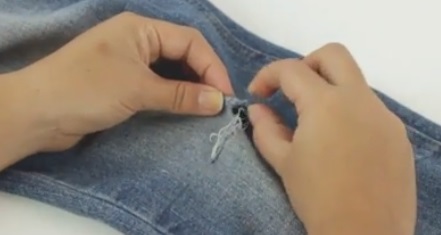
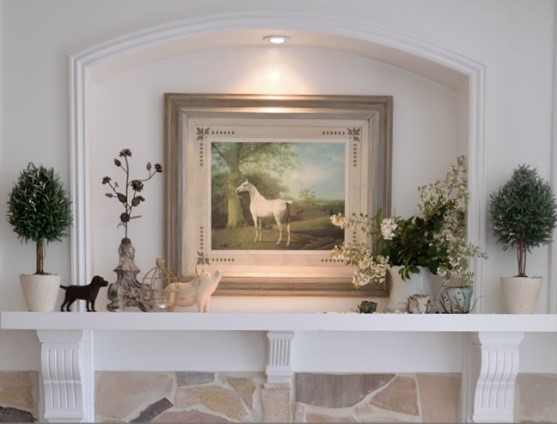
On the face of it, framing your own pictures should be as easy as ripping your own jeans.
The equipment
You may be able to borrow kit from friends, or hire it. If you are buying, this is what you'll need for even the smallest job (the jigsaw is optional):
| Item | Typical cost |
|---|---|
| Mitre box | £10 to £60 |
| Hand saw | £5 to £35 |
| Steel ruler | £2 to £15 |
| Steel tape measure | £4 to £20 |
| Hammer | £1 to £10 |
| Carpenter's pencil | Under £1 |
| Set square | £2.50 to £25 |
| Set of 4 or more clamps | £12 to £85 |
| Craft knife | 50p to £12 |
| Spirit level | £1 to £25 |
| Jigsaw | £20 to £55 |
| Safety goggles | £1 to over £10 |
A mitre box lets you cut mouldings at 45 degrees, so it's vital. All sorts of clamps are available, but you need purpose-made right-angle clamps for the corners. A jigsaw is handy if you buy uncut plastic or acrylic sheet to cut yourself, though a hand saw will do.
Out of interest, professional framers use frame cutters that cost £20,000 upwards. Programmable framers are £40,000 or so and automatic frame-makers about £250,000. So that's what they spend some of their takings on.
The consumables
These are the items you'll use up in one job, or have to buy in bulk and be left with.
| Item | Typical cost |
|---|---|
| Uncut frame moulding | Plastic from under £1 a metre (15mm) to perhaps £10 (100mm). Wood from under £5 a metre (10mm) to perhaps £15 (100mm) |
| Glue (usually PVA) | Under £3.50 to over £12 |
| Tacks | From £1.50 |
| Sandpaper | From £1 |
| Sanding block | From under £3 |
| Backing board | From £4 a sq ft |
| Microfibre cloths | From £1 |
| Suitable screws | From £4 |
| Glass or plastic sheet | Glass from about £9 a sq ft. Plastic from about £15 a sq ft (or £160 a sq metre) |
| Polyester cord | From £2.50 (polyester doesn't stretch like nylon) |
| Backing tape | Around £10 for a 50m roll |
| Screw-in eyes | From under £3 |
| White 'archive' gloves | From under £2 |
All the costings in this article are approximate, but a realistic and sensible guide.
Many suppliers, and certainly the cheapest, specify minimum orders. A minimum order for glass might be £100. A square metre of plastic will be £160 or so, and a minimum order of frame moulding might be around £160 too. Glass can also be UV-resistant or anti-glare, which adds to the cost. And we have ignored block-mounting, picture mounts, varnishing, painting, staining and any other embellishment.
Do you need any skills?
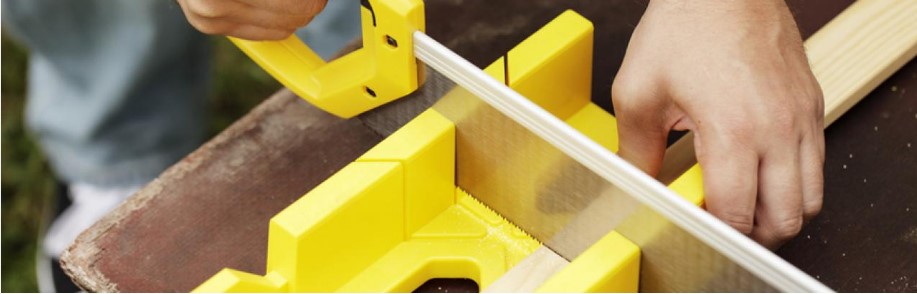
It helps to be meticulous and not cack-handed. Take your eye off the ball while cutting expensive materials and you invite a mistake that can't be put right, at a cost. So double-check your measurements and maths before you order anything and before every cut. You also need to be safety-minded and, perhaps most important, able to plan and carry out the job patiently.
Using a mitre safely and effectively is the most critical skill, so look for guidance online. This link is worth following: www.skil.co.uk/step-by-step/how-to-use-a-mitre-saw.html
What could possibly go wrong?
It would be irresponsible to encourage have-a-go framers without a warning. The most common mistake is cutting a frame to the wrong size. Even professionals do that, but they have the stock to redo the job. You probably won't. Other calamities happen too: PVA glue sometimes fails, pins fail, and we've all broken glass.
Professional frame-makers are ordinarily covered by liability insurance, so if their work falls off your wall your claim should be covered.
Put a value on your time
Before you start, estimate how long the buying, planning, collecting and labour will take. A management accountant would tell you to price your own time at no less than £7.50 an hour (the UK minimum wage) or £10 an hour (London's 'living wage'), and perhaps more. Add your phone calls, fuel, postage and other sundries. Set all of that against any saving.
Is it worth it?
Only when you've done those sums can you decide whether DIY framing is cost-effective. Even then, your decision will be coloured by whether it will be fun and teach you something. DIY is fun, and for those prepared to take full responsibility for their own work it can grow into more than a hobby.
The alternative is to go straight to a professional framer like EasyFrame, for the whole job or just the part that has left you jittery.
And for anyone now intrigued by the prospect of ripping their own jeans, see www.wikihow.com/Rip-Your-Own-Jeans.