

Artificial intelligence (AI) is changing the way we create, experience and interact with art. It can generate new images from what it has learned, manipulate photographs and imitate styles, and it has opened up possibilities that would have seemed far-fetched a few years ago.
This post looks at what AI art can do, its advantages and limits, its likely effect on the future of art, and the questions it raises.
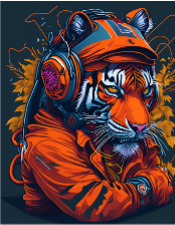
Why AI art matters
The rise of AI has caught the attention of the whole art world. It offers artists, curators and enthusiasts a great deal to explore, from generating new work to collaborations between people and machines. It has also made image-making more accessible, because anyone can now try it.
AI art is no longer confined to screens. Exhibitions have appeared around the world, and in 2019 the Barbican in London held one called 'AI: More than Human', which showed a wide range of work based on AI technologies.
Working with artists
Many artists treat AI as a tool, not a replacement for their own creativity. They use it to challenge traditional practice and to try things they could not otherwise attempt.
Each side brings something. The AI offers suggestions the artist would not have thought of, and the artist chooses, directs and refines. The result can be work that neither would have made alone.
New tools for artists
AI gives artists new tools. It can generate images, recognise visual patterns and simulate styles, which makes it quick to experiment with different approaches and to step outside the usual ways of working.
It can produce pictures in forms and styles not seen before, and that challenges our ideas of what art can be.
Will AI replace artists and designers?
It is a complicated question. AI builds on what it has been trained on, which is the work of people, and it produces nothing until someone gives it a starting point. The ideas, the choices and the judgement still come from the artist or designer.
AI also lacks the personal, emotional point of view that a human brings to a piece of work, which is much of what makes art individual.
What AI can do is make parts of the process faster, leaving more time for the finer details, and offer new ways of solving problems. The concern among working artists and illustrators about their livelihoods is real, and should not be brushed aside. But skilled people who bring their own vision are not about to become unnecessary.
Balancing creativity and responsibility
AI has widened the scope of imagination in art, but it raises ethical questions that need careful thought. Three stand out:
- Bias. An AI system reflects the images it was trained on. If those favour particular groups or cultures, so will its output, whether anyone intended it or not.
- Ownership. Many systems were trained on artists' work without their consent, and it is not settled who owns the copyright in an image a machine has produced.
- Responsibility. Someone has to answer for how these tools are used, and for being honest about how an image was made.
Conclusion
AI can greatly expand what artists are able to do. It also raises real questions about bias, ownership and fairness. Used thoughtfully, with the human firmly in charge, it can be both innovative and fair.
However a picture is made, it looks its best properly framed. Our picture frames are made to measure, and we are glad to advise on the best frame for your artwork.
Call EasyFrame on 01234 856 501 or email sales@easyframe.co.uk. We are happy to talk it through even if you do not want to buy.