

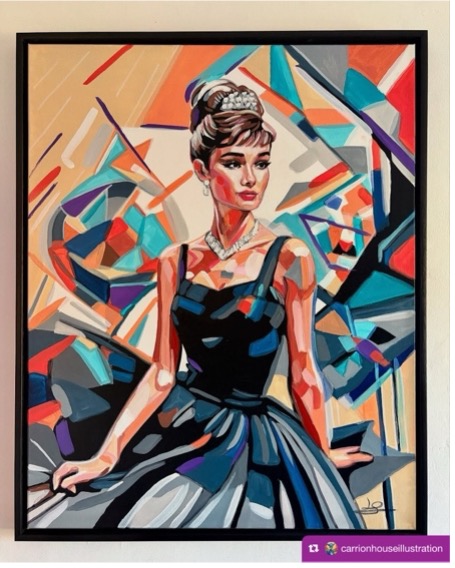
After decades in which restrained minimalism dominated interiors, maximalism has arrived as a lively alternative. It celebrates abundance, individuality and the pleasure of living among things that make you happy. If you are tired of bland, identical rooms, it gives you permission to enjoy colour, pattern and personality. Here is how to do it well.
The idea behind maximalism
Maximalism is often summed up as 'more is more', but that misses the point. It is about creating a room that reflects your passions, memories and quirks. Where minimalism values simplicity and neutrality, maximalism thrives on layered textures, mixed periods and collections on show. Think of it as autobiography in objects. Everything has a story, whether it is a lampshade from a car boot sale or a wall of holiday souvenirs.
The style has roots in Victorian interiors, with their heavy curtains, ornate furniture and cabinets of curiosities. Today's version reworks that tradition with bold colour, influences from around the world and a cheerful disregard for the rules.
The key elements
Colour
Maximalist rooms swap muted neutrals for jewel colours: emerald green, sapphire blue, ruby red. Dark walls in navy or charcoal make a dramatic background for bright accents. The aim is cohesion, not chaos. A core palette, such as teal, mustard and blush, holds the variety together.
Pattern
Stripes, florals, animal prints and geometrics sit happily together. The secret is to vary the scale. Put a large floral wallpaper with small geometric cushions, or a striped rug under a spotted armchair. For beginners, one colour running through all the patterns keeps them in harmony.
Texture
Velvet sofas, silky cushions, nubbly rugs and glossy ceramics add depth. Contrast is welcome. A sleek metallic picture frame beside a chunky knitted throw is intriguing.
Collections
Maximalism is not hoarding. It is the deliberate display of things that mean something. Bookcases become showcases for pottery, vintage cameras or family china. A few statement pieces, such as an oversized mirror or a dramatic light, anchor the room, and smaller treasures add charm.
Personal touches
Family photos, travel mementoes and home-made art give a room its soul. The best maximalist rooms feel lived in, because they are full of things their owners love, whether a kitsch figurine or a treasured painting.
How to create a maximalist room
- Start with a palette. Choose three to five core colours. For a moody room, try deep navy with terracotta and gold. For a bright one, emerald, magenta and citron. Test them with paint samples first.
- Layer pattern gradually. Begin with a patterned rug or wallpaper, then add smaller prints in cushions, curtains and art. If you are unsure, plain furniture acts as a buffer.
- Buy second-hand. Charity shops, car boot sales and antiques markets are full of one-off pieces. A mismatched set of dining chairs painted in related colours has real character.
- Create focal points. Give the eye somewhere to land first: a bold sofa, or a gallery wall. In a small room, one statement wall keeps the look under control.
- Edit. Abundance can tip into clutter. Look at the room regularly and ask whether each thing gives you pleasure or does a job. Rotate what is on show to keep it fresh.
The maximalist gallery wall
Nothing suits maximalism better than a wall crowded with pictures. Mix paintings, prints, photographs, mirrors and plates. Mix frames too, with gilt beside black beside bright colour. To stop it becoming a jumble, repeat one or two frame finishes across the wall, and keep the gaps between frames roughly equal.
Maximalism in British homes
British designers have taken to maximalism with a blend of heritage and modernity: deep green walls, mixed prints and retro furniture.
In a new-build house it is a cure for the plain white box. Bring in colour with wallpaper, statement lighting or a bold sofa. Renters can do it too, with peel-off wallpaper, bright textiles and plenty of pictures.
Pitfalls to avoid
- Overcrowding. Leave some breathing space between objects. Use open shelves for lighter displays and cupboards for the bulky things.
- Ignoring lighting. Layer general, task and accent lighting. A chandelier or a sculptural floor lamp adds drama while lighting your treasures.
- Forgetting scale. Balance large furniture with smaller decoration. One oversized picture can anchor a room that small things alone would leave looking fussy.
Final thoughts
Maximalism is a celebration of individuality. Whether you are piling a reading corner with paisley throws or tiling a kitchen in clashing patterns, the aim is a home that is unapologetically yours. So raid the loft, keep the leopard-print armchair, and let your walls tell your story.
EasyFrame offers a wide range of made-to-measure frames, and with long experience we can advise on the right frames for your pictures. Call us on 01234 856 501 or email sales@easyframe.co.uk. We are always happy to talk, whether or not you want to buy.