

Photography is changing fast. New technology lets photographers take and make images in ways that were impossible not long ago, from AI-assisted cameras to 3D imaging and virtual reality.
Attitudes are changing too. More photographers are thinking about the environmental cost of their equipment and buying with it in mind. And the smartphone has transformed the whole field. Filters, upright pictures and selfies all came from phones and social media, and there is more to come.
Emerging technologies
These are some of the technologies changing photography, and what you will be putting in your picture frames.
Artificial intelligence
AI is changing how photographers shoot, edit and organise. Cameras recognise a scene, or a face or an eye, and set themselves to suit. Editing software analyses a picture and adjusts colour and contrast, or removes unwanted objects. AI can also tag and sort photos automatically, so they are easier to find.
Virtual reality
Cameras that record a full 360 degrees let viewers look around a scene as though they were standing in it, through a headset or simply by moving a phone. It gives photographers a new, immersive way to show a place.
Drones
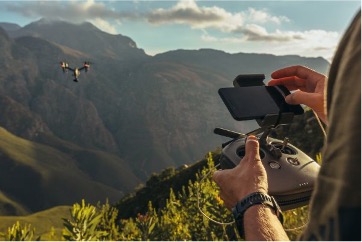
Drones have made aerial photography available to almost anyone. They show landscapes and buildings from angles that used to need a helicopter, and many can now detect and follow a moving subject on their own. In the UK there are rules about where and how you may fly, so check them first.
Trends shaping the future
Mobile photography
Phone cameras are now so good that professionals use them for real work. Much of the quality comes from software, which combines several exposures in an instant, and it improves with every new model.
3D photography
3D imaging records depth as well as a flat picture. It is already used in games and virtual reality, and as it becomes cheaper and easier it will reach more photographers.
Social media
Platforms such as Instagram and Pinterest let photographers show their work to a worldwide audience. They have also shaped how photos look, with bright colours, filters, and formats chosen for the screen. Photographers increasingly compose with those platforms in mind.
What technology has changed
Access
The biggest change is that photography is open to everyone. Digital cameras and phones are affordable and easy to use, and anyone can take a photo and share it with the world. Social media has made it easier for photographers to find an audience, and clients and collaborators as well.
Quality
Image quality has leapt ahead. High-resolution sensors and advanced processing record remarkable detail, even in poor light, and modern lenses are sharper than ever.
Challenges and opportunities
Data privacy
A digital photo carries more than the picture. Its metadata can record where and when it was taken, and with what. That is useful, but it raises questions of privacy and security.
Photographers who work for clients must protect personal information and comply with data protection law. That means storing files securely and being open about what is collected and how it is used. For everyone else, it is worth knowing that a shared photo may reveal its location.
Sustainability
Photography has an environmental cost, from making cameras to printing pictures. Photographers can reduce it by keeping equipment longer, buying second-hand, having things repaired, and cutting waste and energy use.
They can also use their pictures to draw attention to environmental issues and move others to act.
Conclusion
The future of photography is full of possibility. As new tools become cheaper and easier to use, photographers at every level will be able to do things that were out of reach before.
One thing will not change: a good photograph deserves to be printed and framed. Our picture frames are made to measure, and we are glad to advise on the best frame for your work.
Call EasyFrame on 01234 856 501 or email sales@easyframe.co.uk. We are happy to talk it through even if you do not want to buy.