

Framing pastel and charcoal can seem daunting, but with the right approach it is very rewarding. These media need special care. Both the soft, velvety surface of pastel and the deep blacks of charcoal are made of loose particles lying on the paper, and the framing has to protect them without touching them.
The key to framing pastels and charcoals is to use materials and methods that preserve that delicate surface. Glass is usually recommended over acrylic, because acrylic can hold a static charge that lifts particles off the paper. And a mount or spacers must keep the artwork clear of the glazing, so that it cannot smudge.
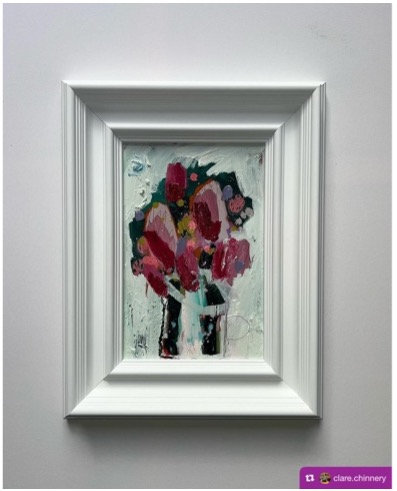
The artwork itself is held with hinges, such as T-hinges, which support it without pressing on the surface, and everything that touches it is acid-free.
Choosing the frame
Looks
The frame should complement the artwork and not compete with it. A neutral frame suits a soft pastel and lets the picture speak. A made-to-measure frame gives you the choice to match the particular piece. Think about the room where it will hang as well, so that the framed picture sits comfortably in it.
Materials
- Glazing. Glass is the first choice. If you use acrylic, the static must be removed from it before the protective film is peeled off, or choose an anti-static acrylic.
- Mount. A mount between the artwork and the glazing prevents contact.
- Frame. Wood or metal, sturdy enough to carry the glass, and deep enough for the mount or spacers.
Protective materials and techniques
Acid-free materials
Acid-free mounts and backing boards stop the paper turning yellow and brittle. The acid in ordinary card breaks down both paper and pigment over the years.
Hinging
T-hinges of acid-free paper tape, along the top edge only, attach the artwork to the backing board. They hold it firmly but gently, and let the paper expand and contract with changes in humidity.
Never use ordinary sticky tape, double-sided tape or glue, and never put any tape on the face of the artwork.
Keeping the artwork off the glass
There are two ways to do it:
- A mount. A thick mount or a double mount gives the most space. Some framers add a hidden second mount with a slightly larger window behind the first, which makes a gutter where loose dust can fall out of sight and not on to the bevel.
- Spacers. Thin strips hidden under the lip of the frame hold the glazing away from the artwork when there is no mount. They are almost invisible.
The right glass
- Non-glare glazing reduces reflections, so the picture is easier to see in different lights.
- UV-protective glazing guards against fading. Ordinary glass does not.
Preventing damage
Loose dust
Pastel and charcoal drawings shed a little dust, especially when new.
- Tap, do not blow. Before framing, hold the drawing upright and tap the back gently so that loose particles fall away.
- Fixative. A light spray binds loose particles. It can also darken and dull the colours of a pastel, so many artists use very little or none. If the work is not yours, ask the artist.
- Keep it upright. Carry and store a framed pastel upright and face up, never face down, and avoid knocks.
Light
Ultraviolet light fades pastels and yellows paper. UV-protective glazing filters it out, and hanging the picture away from direct sunlight does the rest.
Keep the picture out of damp rooms too. Paper that takes up moisture cockles, and can touch the glass.
EasyFrame offers a wide range of made-to-measure frames, and with long experience we can advise on the right frame for a pastel or charcoal. Call us on 01234 856 501 or email sales@easyframe.co.uk. We are always happy to talk, whether or not you want to buy.