

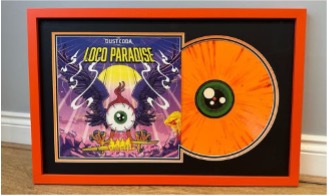
The right frame colour can turn a picture into a real eye-catcher. Chosen well, it complements the image and improves the whole presentation. With so many colours and materials on offer the choice can feel overwhelming, so here is what to consider.
The basics
Colour, style and material all contribute to how a coloured picture frame looks with your picture and in your room.
Width and style
The artwork should stay the centre of attention. Look at its main colours, and choose a frame colour that either harmonises with them or contrasts with them. Keep the moulding in proportion. On most pictures a frame more than about three inches (7 to 8cm) wide will start to overpower the image.
Styles run from plain and sleek to ornate. The choice depends on your taste and on the room where the picture will hang.
Wood or metal?
Wood and metal are the two most popular materials, and each has its own character.
- Wood. Versatile, natural, warm and classic. It comes in many colours and finishes, from natural and rustic to painted and smooth, and suits a traditional or cosy room. It can be affected by damp.
- Metal. Modern, durable and minimalist. It comes in fewer finishes, and can look cool in the wrong setting, but a metal frame, especially in a strong colour or a gloss finish, makes a bold statement.
Matching the frame to the artwork and the room
With the artwork
- Take a colour from the picture. A frame in one of the main or secondary colours of the artwork gives a unified look.
- Go neutral. Black, white and natural wood are understated and work with most styles of art.
- Contrast boldly. Sometimes a vivid frame in a contrasting colour makes a picture leap off the wall.
With the room
- Look at the colour scheme. Note the main colours of the room and choose a frame that goes with them.
- Consider the furniture. Is it modern, minimalist or antique? Choose a frame in keeping with it.
- Think about scale. The size of the picture, the furniture and the room all bear on how wide the frame should be.
Protection as well as looks
The right frame also protects and preserves the picture. Two things matter most: the mount and the glazing.
Conservation and UV protection
Conservation framing uses materials such as acid-free mount board and UV-protective glazing to guard artwork against sunlight, humidity and changes of temperature.
UV light fades colours and weakens delicate materials. If you are having a good frame made for something you value, choose glazing that filters most of the UV.
Mount board
- Standard mount board. Readily available and affordable, but not acid-free. It is fine for temporary framing and for items of no great value.
- Acid-free mount board. The conservation choice. It will not harm the artwork, and it comes in a wide range of colours and textures.
Glazing
- Standard glass. The least expensive, with no special UV filtering. Suitable for things that can be replaced.
- UV-protective glass. Costs more, but protects the picture from fading.
- Non-reflective glass. Cuts glare so that the picture is easier to see, which is useful opposite a window or a lamp. The basic kind does not filter UV.
- Museum glass. The best of both: UV protection and very low reflection.
EasyFrame makes frames to measure in a wide range of colours and styles, and with long experience we can advise on the right frame for your artwork. Call us on 01234 856 501 or email sales@easyframe.co.uk. We are always happy to talk, whether or not you want to buy.